Source Electronic Water Gun for Beach Play, Pool Parties, and Backyard Fun
Explore 30 listings for the Electronic Water Gun, comparing features like electric modes, pressure ranges, and certifications. Buyers can evaluate options from various manufacturers to find suitable toys for children aged 3 to 13 years.
Key considerations
Products List


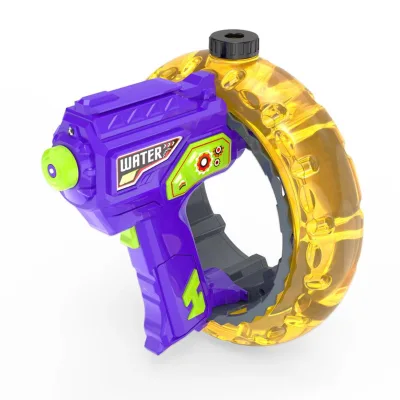
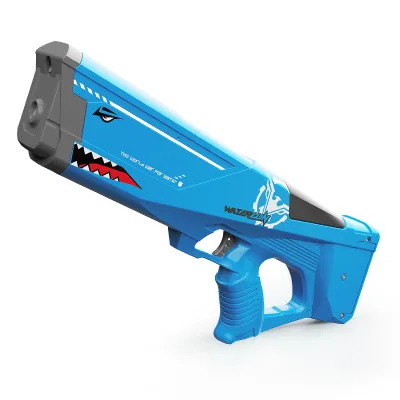

$1.10 - $1.80
MOQ: 10 Pieces
Qike Qike Chao Play Technology Co., Ltd., Chenghai District, Shantou City


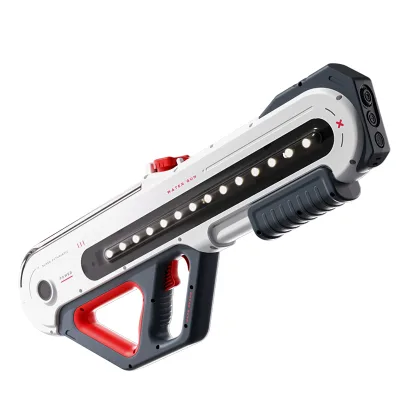
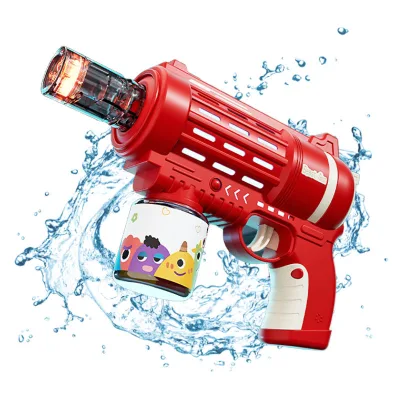
60CM Length Powerful Water Gun Plastic Electric Water Gun With Led Light
$13.71 - $14.87
MOQ: 24 pieces

$1.00 - $70.00
MOQ: 50 Pieces


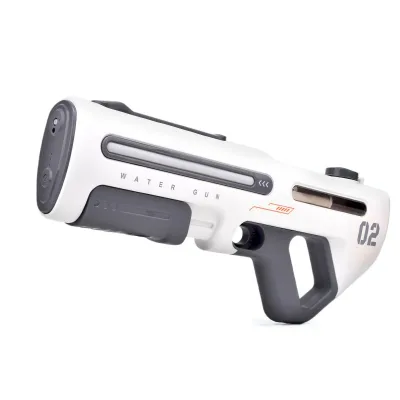




Comprehensive Sourcing Guide
Electronic Water Gun Sourcing Guide
Sourcing electronic water guns requires a careful balance between playful functionality and rigorous safety compliance, particularly when targeting younger demographics. The market offers a diverse range of products, from simple manual spray guns to complex electric models featuring intensive jets and sound effects. Buyers must navigate a landscape where product attributes vary significantly, including materials ranging from standard plastic to durable ABS, and power sources that include both battery-operated and manual mechanisms. Understanding these distinctions is critical for aligning procurement with specific market demands, whether for casual recreational use or specialized toy applications.
The procurement process is further complicated by the wide variance in commercial terms and technical specifications observed across listings. Prices can range from minimal unit costs to higher tiers for feature-rich electronic models, while minimum order quantities (MOQs) fluctuate between single units and bulk industrial orders. This variability necessitates a disciplined approach to supplier evaluation, focusing on verified certifications, clear packaging standards, and consistent supply chain reliability. By grounding sourcing decisions in observable data and trusted category knowledge, buyers can mitigate risks associated with quality inconsistencies and regulatory non-compliance.
Product Scope and Observed Listing Signals
The current market for electronic water guns presents a broad spectrum of product types, identifiable through specific listing signals and attribute tags. Observations indicate the presence of models explicitly labeled as "Shark electric water gun" or generic "Toy Gun" classifications, with some units featuring electric modes and others remaining non-electric. Attributes such as "Intensive Jet" and "DC Jet Spray" suggest advanced functionality, while simpler models may be categorized under "Funny" usage or basic "Spray Gun" water forms. These signals help buyers segment the market into distinct categories, allowing for more targeted sourcing strategies based on the desired level of technological integration and play complexity.
Material composition and physical specifications are equally critical indicators of product quality and intended use. Listings frequently cite materials such as plastic and ABS, with the latter often associated with higher durability and safety standards. Physical dimensions vary widely, with some products measuring approximately 50x46x50 cm, while others are more compact at 50x20x28 cm or packaged in single units measuring 43x17.5x6.8 cm. Packaging formats also differ, ranging from sealed color boxes to bulk carton shipments containing multiple units. These physical attributes directly impact logistics planning, storage requirements, and the final retail presentation, making them essential factors in the initial screening of potential suppliers.
Technical Specifications to Verify
Verifying technical specifications is paramount to ensuring that the electronic water guns meet functional expectations and safety requirements. Buyers should prioritize models with clear electrical classifications, such as those marked with "Electric Mode: Yes" or specific voltage and battery requirements, although exact electrical parameters must be confirmed with the supplier. The presence of features like "Sound Mode" or "Intensive Jet" capabilities adds value but also introduces complexity in quality control. It is essential to verify the actual performance of these features, ensuring that the water pressure, spray range, and electronic components function as advertised without compromising the structural integrity of the toy.
Model numbers and standard identifiers provide a crucial reference point for tracking product consistency and regulatory compliance. Specific model identifiers such as "627-8," "FC6626A," and "SA09-200-01" appear in listings, alongside HS codes like 8424200000, which classify the products for international trade. Buyers must ensure that the supplier provides accurate and consistent model numbering to avoid confusion during order fulfillment and customs clearance. Additionally, verifying the "Single gross weight" and "Single package size" is vital for calculating freight costs and ensuring that the product fits within standard shipping containers and retail packaging constraints.
Compliance and Safety Documentation
Compliance with international safety standards is non-negotiable for electronic water guns, especially those marketed toward children. Listings frequently reference certifications such as EN, ASTM, CE, and RoHS, which indicate adherence to specific safety and environmental regulations. Buyers must request and verify valid certification documents from recognized testing laboratories to ensure that the products meet the legal requirements of their target markets. The presence of these certifications is a strong indicator of a supplier's commitment to quality and safety, but it is essential to confirm that the certifications are current and applicable to the specific models being procured.
Age appropriateness and material safety are additional critical compliance factors. Products are often categorized by age ranges, such as "3-8 Years," "5 to 7 years," or "14 Years & up," which directly influence the safety standards applied during manufacturing. For younger age groups, stricter regulations regarding small parts, choking hazards, and chemical composition (e.g., 6P, EN71) apply. Buyers should ensure that the supplier provides detailed material safety data sheets and age-appropriate labeling. Verifying that the product materials, such as ABS plastic, are free from harmful substances and meet relevant environmental standards is essential for maintaining brand reputation and avoiding regulatory penalties.
Cost Drivers and Commercial Terms
Understanding the cost drivers and commercial terms is essential for effective budgeting and negotiation in the Electronic Water Gun market. The observed price range of 0.02 to 70 USD reflects significant variations in product complexity, material quality, and feature sets. Basic manual or simple electronic models tend to be at the lower end of the spectrum, while advanced models with intensive jets, sound effects, and premium materials command higher prices. Buyers should analyze the cost structure in relation to the product's features and target market positioning to ensure that the procurement costs align with the expected retail margins.
Minimum order quantities (MOQs) and supply ability are key commercial terms that impact inventory management and cash flow. MOQs range from 1 to 1800 units, offering flexibility for both small-scale retailers and large distributors. Suppliers with high supply abilities, such as 10000 cartons per month, can support large-volume orders and ensure consistent availability. Buyers should negotiate terms that balance MOQ requirements with their sales forecasts, considering factors such as lead times, payment terms, and shipping logistics. Clear communication regarding packaging details, such as "10PCS/1pack" or "Sealed Colorbox," is also crucial for avoiding misunderstandings and ensuring efficient warehouse handling.
Supplier Qualification and Quality Control
Supplier qualification is a critical step in mitigating procurement risks and ensuring consistent product quality. Buyers should conduct thorough due diligence on potential suppliers, verifying their business licenses, manufacturing capabilities, and quality control processes. Suppliers located in key manufacturing hubs, such as Guangdong, China, often have established supply chains and expertise in toy manufacturing. However, buyers must go beyond location-based assumptions and assess the supplier's track record, customer reviews, and responsiveness to inquiries. Establishing a strong relationship with a reliable supplier is essential for long-term success and consistent product delivery.
Quality control measures must be implemented throughout the production process to ensure that the electronic water guns meet specified standards. Buyers should request pre-production samples for evaluation, checking for functional performance, material quality, and compliance with safety certifications. During mass production, regular inspections should be conducted to monitor manufacturing consistency and identify any defects early. Implementing a robust quality control plan, including final random inspections before shipment, helps to minimize the risk of receiving substandard products. Clear communication of quality expectations and acceptance criteria is essential to ensure that the supplier understands and meets the buyer's requirements.
Long-Term Procurement Checks
Long-term procurement success depends on continuous monitoring and evaluation of supplier performance and product quality. Buyers should establish key performance indicators (KPIs) to track metrics such as on-time delivery, product defect rates, and customer satisfaction. Regular reviews of these metrics help to identify potential issues early and facilitate corrective actions. Maintaining open communication with suppliers and providing constructive feedback is essential for fostering a collaborative relationship and driving continuous improvement. By proactively managing supplier performance, buyers can ensure a stable and reliable supply chain for electronic water guns.
Adapting to market trends and regulatory changes is also crucial for long-term procurement success. The toy market is dynamic, with evolving consumer preferences and increasingly stringent safety regulations. Buyers must stay informed about new product innovations, material advancements, and compliance requirements in their target markets. Regularly updating procurement strategies and product specifications ensures that the sourced electronic water guns remain competitive and compliant. By maintaining a flexible and informed approach, buyers can navigate market changes effectively and sustain long-term business growth.
FAQs
What certifications do the electronic water guns have?
The products hold ENASTM, CE, ASTM, ENHRRoHS, 6P, and EN certifications. These standards ensure safety compliance for toys intended for children aged 3 to 13 years and up.
Can I request custom logos on these water guns?
Customization is available for logo printing using simple color pad print methods. Buyers can choose between customized or non-customized options depending on their specific branding needs.
What materials are used to make these electric water guns?
Manufacturers use durable plastic and ABS materials for construction. These materials ensure the toys are safe for children while maintaining structural integrity during intensive jet spray activities.
Which age groups are suitable for these electronic toys?
The products are designed for children aged 3 to 8 years, 5 to 7 years, 8 to 13 years, and 14 years and up. They are suitable for unisex play as electronic toys.
How are the products packaged for shipping?
Items are packed in sealed color boxes or cartons with specific dimensions like 50x46x50 cm. Some packages contain 10 pieces per pack with a gross weight of 0.710 kg.
What is the supply capacity for bulk orders?
Suppliers can provide up to 10,000 cartons per month to meet demand. This capacity supports large-scale procurement needs for vendors sourcing from Guangdong, China.
Where are these water guns manufactured and shipped from?
The products originate from Guangdong, China, and are dispatched from Shantou or Shenzhen ports. This location ensures efficient logistics for international buyers seeking electronic water guns.